
 Posted on: June 7, 2026
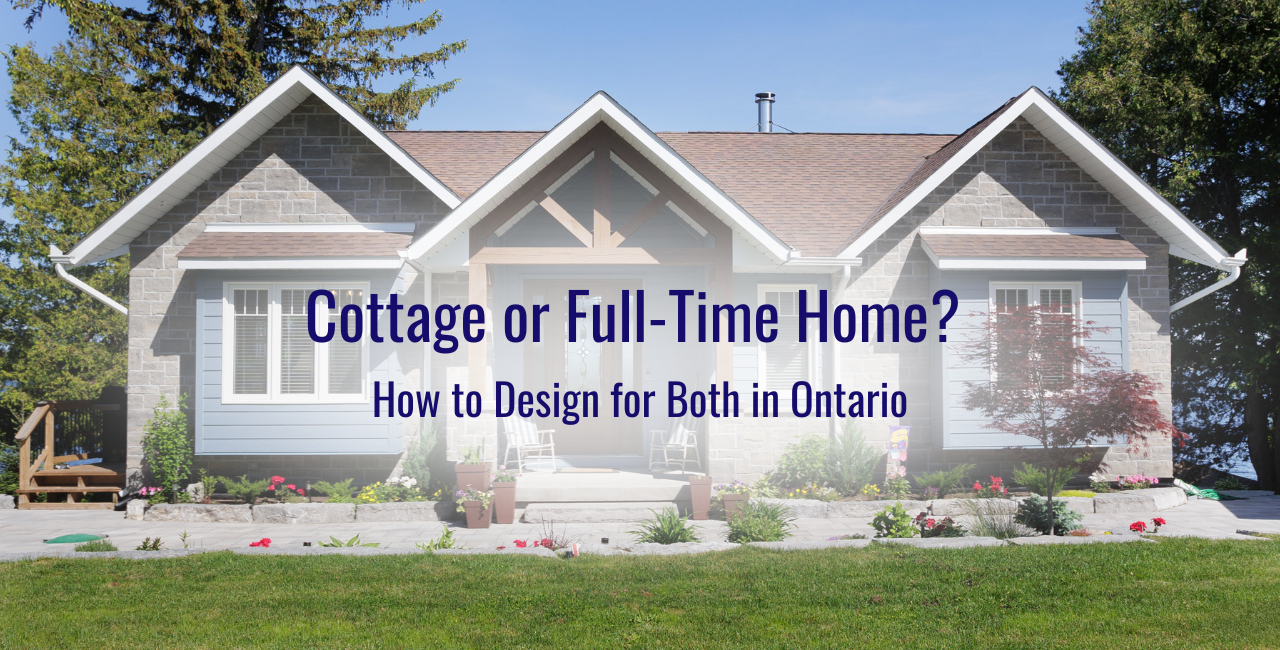
For many Ontario families, the line between cottage and home is not as clear as it used to be.
What starts as a weekend retreat can become a summer base for the kids, a work-from-anywhere escape, or even a full-time residence. Some people are building with retirement in mind. Others want a place that works well now for long weekends and holidays and gives them the option to live there year-round in the future. That shift matters when it comes to design.
If you are planning a custom build in the Kawarthas, Peterborough, Trent Lakes, or the surrounding area, it helps to think beyond how you will use the property this summer. A home that works beautifully for a few weekends a month may not function the same way for everyday living. The good news is that with the right planning, you do not always have to choose one or the other.
A well-designed custom home or cottage in Ontario can do both.
Can a cottage be designed for full-time living?
Yes, absolutely. A cottage can be designed for full-time living, but it needs more than a nice view and a great open-concept layout. If you want flexibility, the design has to support real life in every season.
That means thinking about insulation, storage, heating, entry space, laundry, traffic flow, and how the home will feel in February, not just July. It also means planning for things like groceries, wet boots, guests, work-from-home needs, and the routines that come with living in a space every day.
This is where many people run into trouble. They plan a cottage for weekend use, only to realize later that it does not quite work as a year-round home. The layout may be too open, storage may be limited, or the home may not feel comfortable through an Ontario winter.
Designing for both from the start can save time, money, and frustration later.
Start with how you want to live
Before choosing finishes or finalizing a floor plan, it helps to ask a simple question: how do you want the home to function now, and how might that change over time?
Some homeowners know they want a seasonal getaway for the foreseeable future. Others are already thinking about retirement or a move out of the city. Some want a custom cottage that feels relaxed and recreational now but practical enough to support longer stays, remote work, or full-time living down the road.
Those goals shape the design in important ways.
For example, a home built only for short visits may get by with limited storage, smaller utility spaces, and a simpler mechanical plan. A home meant to support cottage life, and full-time living usually needs more thoughtful planning. It may need larger closets, a proper mudroom, a more functional kitchen, a flexible guest space, and better separation between gathering areas and quiet spaces.
The more thoughtful you are early on about how the property may be used, the better the design will serve you later.
Prioritize four-season comfort
If you want a cottage or custom home in Ontario to work year-round, four-season comfort should be an important part of the plan from day one.
That includes insulation, window placement, heating systems, ventilation, and the way the home handles snow, wind, and changing temperatures. It also affects how comfortable the home feels in shoulder seasons, not just in the peak of summer or the depths of winter.
This is especially important in towns and cities throughout Ontario, where weather conditions can shift quickly, and lakefront or rural properties often have their own site considerations.
A home designed for both seasonal and full-time use should feel comfortable and usable in every month of the year. Covered entries, practical exterior materials, good drainage, durable flooring, and smart heating choices all make a difference. So does thinking through how people will enter the home when they are carrying bags, wearing boots, or arriving in bad weather.
These details may not be the most exciting part of the design process, but they shape how the home feels to live in over time.
Make space for everyday storage
This is one of the biggest differences between a true cottage layout and a home that can handle full-time living.
Weekend spaces often get designed around views, bedrooms, and open gathering areas. Full-time living requires more support spaces. You need places for coats, boots, pantry items, cleaning supplies, sports gear, extra linens, seasonal items, and all the things that come with real day-to-day life.
Without enough storage, even a beautiful home can start to feel cluttered and frustrating.
If you are designing for both cottage and full-time use, think carefully about where things will go. A mudroom, walk-in pantry, laundry area with built-in storage, linen closets, and well-planned bedroom storage can make a huge difference. The goal is not to overbuild. It is to create a home that still feels calm and functional when people are actually living in it.
Design the kitchen for more than weekends
In many custom cottages, the kitchen is the heart of the home. That does not change if the property becomes a full-time residence, but the way the kitchen functions starts to matter even more.
A weekend kitchen may only need to support relaxed meals, snacks, and entertaining. A full-time home needs to support daily cooking, groceries, school lunches, workdays, and everything else that happens when life is unfolding there every day.
That does not mean the kitchen needs to feel oversized or overly formal. It just means it should be planned with real use in mind.
Think about prep space, pantry storage, seating, traffic flow, and how the kitchen connects to the rest of the home. If the space will be used for entertaining on weekends and everyday routines during the week, it has to do both jobs well.
Build flexibility into the layout
One of the smartest things you can do when designing a custom home or cottage in Ontario is to build flexibility into the floor plan.
That might mean including a bedroom and a full bathroom on the main floor. It could mean designing a guest room that can be converted into an office. It might involve creating a lower level that gives older children, extended family, or overnight guests some independence without affecting the flow of the main living space.
Flexible design is not about trying to predict every future change. It is about giving yourself options.
Homes that age well are usually the ones that can adapt. If your needs shift over time, whether because of work, family, lifestyle, or retirement, the home should be able to shift with you.
Think about outdoor living differently
Outdoor living matters in both a cottage and a full-time home, but the way you use those spaces may change.
For weekend use, the focus may be on relaxing, entertaining, and making the most of the views. For full-time living, outdoor spaces also need to feel practical and easy to maintain. Covered porches, screened rooms, durable decking, shaded seating areas, and direct access from the kitchen or mudroom can all make those spaces more useful.
If the property is part retreat and part everyday home, outdoor areas should support both. They should feel inviting when friends and family visit, but they should also be comfortable and functional for quiet mornings, everyday meals, and regular life.
What should you include if you may live there full-time later?
If you are not sure whether the property will stay a cottage or become a full-time home, here are a few smart features to consider from the start:
- quality insulation and efficient heating for four-season comfort
- a mudroom or practical entry area
- generous storage throughout the home
- a kitchen designed for everyday use
- laundry in a convenient location
- flexible rooms that can change over time
- durable materials that hold up well in all seasons
- covered outdoor spaces for longer use through spring and fall
You may not need every feature to be oversized or elaborate. You just want the home to feel ready for real life if your plans change.
Local experience makes a difference
Designing a custom cottage or home in Ontario is not just about choosing the right style. It is also about understanding the property, the climate, and how people actually live in these spaces over time.
That is why local experience matters.
A builder who understands the location and surrounding area can help you think through the practical side of the design, from site placement and seasonal use to four-season comfort and long-term function. That kind of planning helps create a home that feels beautiful on day one and continues to work well for years to come.
Should you design for cottage life, full-time living, or both?
If there is even a chance that your custom cottage could become a full-time home later, it makes sense to design with both in mind.
You don’t need to sacrifice charm or create something overly formal. You just need a plan that supports flexibility, comfort, and everyday function alongside the relaxed lifestyle people want from a cottage property in the first place.
The best custom homes and cottages are not just designed for how they look. They are designed for how people really live.
If you are planning a custom build in Kawartha Lakes, Peterborough, Trent Lakes, or the surrounding areas throughout Ontario, R. Moore Homes can help you create a space that fits your life now and gives you room to grow into it later.
FAQ
What is the difference between a cottage and a full-time home in Ontario?
The biggest difference usually comes down to how the home functions day to day. A full-time home typically needs more storage, better support spaces, stronger four-season performance, and a layout that works well year-round.
Can a custom cottage be used as a full-time residence?
Yes. Many custom cottages in Ontario are designed for full-time living, but the design should account for year-round comfort, storage, heating, and everyday routines from the beginning.
What features make a cottage easier to live in full-time?
Some of the most important features include good insulation, efficient heating, a functional kitchen, a mudroom, laundry, practical storage, and flexible living spaces.
Is it smart to design for future full-time living even if I only want a cottage now?
Yes. If your needs may change over time, building in that flexibility from the start can help you avoid costly changes later and make the home more useful in the long run.